About

About us

Guard-M Foundation is a registered non-profit organization serving communities in the Volta and Oti Regions of Ghana, with its roots in Butabe in the Kadjebi District.

Founded in 2019 and officially registered in 2022, the Foundation was established to address the interconnected challenges affecting rural communities — particularly in education, healthcare, agriculture, poverty reduction, clean water, and sanitation.

Our work is guided by a structured, measurable, and community-centered approach aligned with the Sustainable Development Goals (SDGs).

We focus on:
•Promoting quality and inclusive education
•Improving access to basic healthcare services
•Strengthening agriculture and food security
•Supporting poverty reduction and livelihood development
•Expanding access to clean water and improved sanitation
 
Recognizing that agriculture remains the backbone of rural economies in Oti and Volta Regions, we support smallholder farmers, youth agribusiness initiatives, and food security programs that improve household income and community resilience.
 
We believe sustainable development begins at the community level. By working closely with local stakeholders, schools, farmers, families, and development partners, we aim to improve living standards and create long-term opportunity for underserved populations.
 
Guard-M Foundation is committed to transparency, collaboration, and phased growth as we work toward measurable impact across the regions we serve.
Guard-M Foundation — Changing Lives Today, Building a Secure Future
VISION

To create equitable opportunities for individuals in underserved communities to access quality education, improved living standards, and sustainable livelihoods — fostering well-informed, financially stable, and healthy communities for a secure and promising future.

MISSION STATEMENT

To empower underserved communities in Ghana by expanding access to education, healthcare, clean water, agriculture, and economic opportunities that promote long-term stability and self-reliance.

WHO WE ARE

We are dream chasers with the concept of giving back to societies to improve their lives and elevate them to an acceptable standard of living.

Meet The Team

Management/Leadership

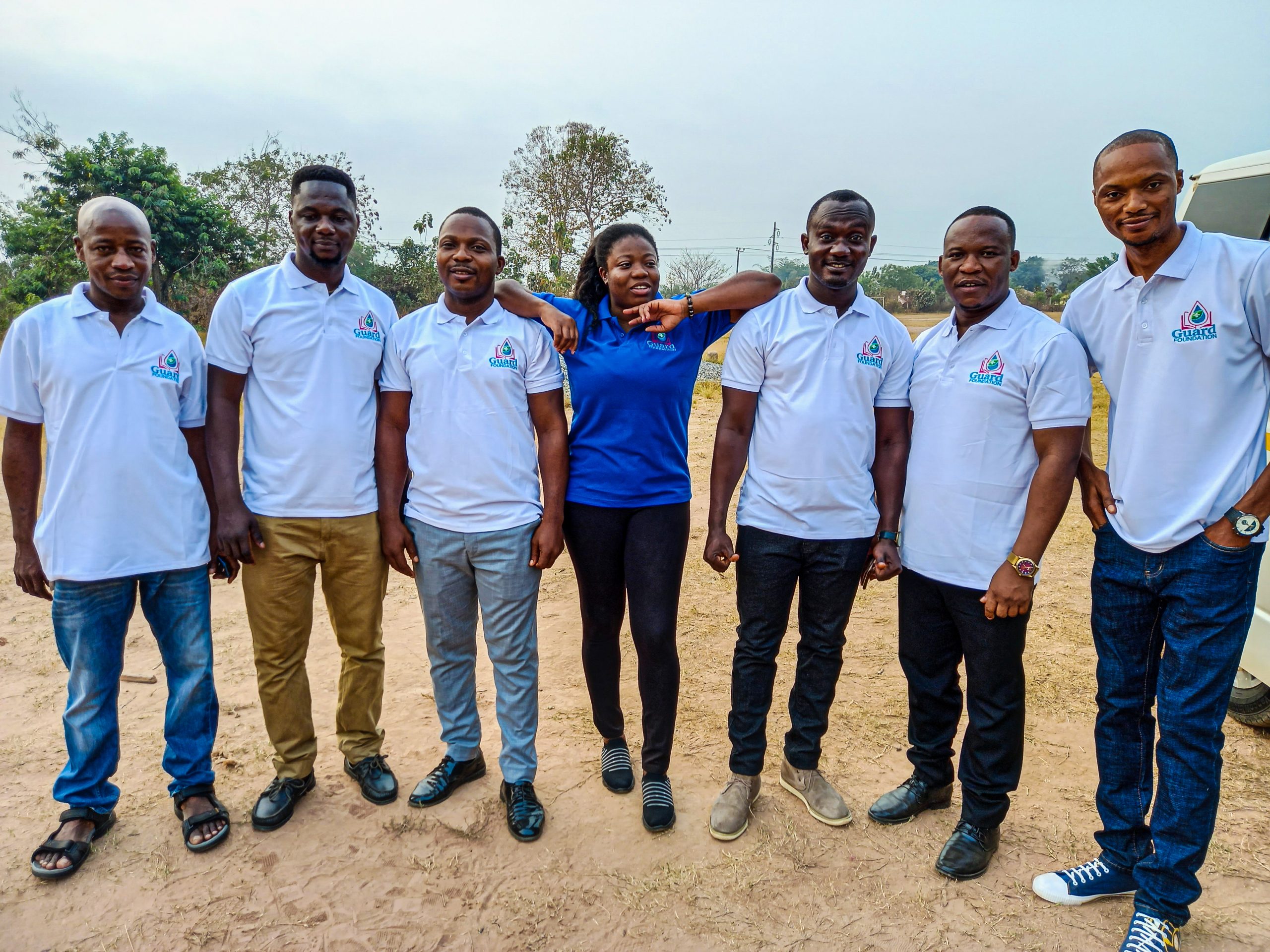
The management team is directly responsible for running the activities of the foundation under the guidance of the board of directors. The team is headed by the executive director/founder and supported by the program director, secretary, coordinators of health, education, livelihood, water and sanitation , Agriculture  and other supporting members who all serve on a part-time and pro bono basis.

Bismark Dotse Dzisenu

Executive Director and Founder

Asravor Yao Godwin

Program Director

Kubapan Rockson

Education Coordinator

Miss Agbavor Rose

Livelihood coordinatorer

ROADMAP FOR ACHIEVING EDUCATIONAL OBJECTIVES
Building Sustainable Educational Impact
Guard-M Foundation believes that education is one of the strongest tools for breaking the cycle of poverty, reducing child labor, and promoting
long-term social development.
 
Our education strategy is built around structured, measurable, and sustainable initiatives designed to improve learning outcomes in underserved communities.
 
 
🎓 Pillar 1: Academic Excellence & Motivation
 
We promote a culture of academic discipline and healthy competition.
 
Our initiatives include:
•Organizing periodic academic quiz competitions for basic schools
•Recognizing and awarding outstanding pupils with structured educational support packages
•Encouraging improved study habits and intellectual engagement
 
These activities aim to build confidence, raise standards, and inspire long-term academic commitment.
 
📊 Measurable Targets (2022–2032)
 
2022–2024 (Foundation Phase)
•Organize at least 1 academic quiz competition annually
•Engage a minimum of 150 pupils per year
•Recognize top-performing pupils in participating schools
 
2025–2027 (Expansion Phase)
•Organize 2 quiz competitions annually
•Reach at least 300 pupils per year
•Include a minimum of 6 schools annually
 
2028–2032 (District Impact Phase)
•Institutionalize annual district-level quiz competition
•Engage 500+ pupils annually
•Support measurable improvement in performance among participating schools


📚 Pillar 2: Access to Learning Resources
 
We support effective teaching and learning by improving access to essential materials.
 
Our focus includes:
•Distribution of course books, exercise books, and activity books
•Provision of teaching aids and instructional materials
•Support for school bags, uniforms, and learning supplies
•Collaboration with communities to improve access to libraries and computer laboratories
 
We aim to strengthen the learning environment in deprived schools.
 
📊 Measurable Targets (2022–2032)
 
2022–2024
•Provide learning materials to at least 300 pupils annually
•Support a minimum of 3 schools per year
 
2025–2027
•Increase reach to 600 pupils annually
•Support at least 5 schools per year
•Contribute to establishment or upgrading of at least 1 learning facility
 
2028–2032
•Support 1,000+ pupils annually
•Upgrade or contribute to at least 3 learning facilities across the district
•Improve access to core learning materials in supported schools by at least 40%


👩‍🏫 Pillar 3: Student Retention & Welfare
 
We work to reduce barriers that prevent children from staying in school.
 
Our initiatives include:
•Needs-based educational assistance for out-of-school children
•Community education campaigns to discourage child labor
•Pilot initiatives to support school feeding and welfare in collaboration with communities
 
Our goal is to encourage enrolment, reduce absenteeism, and support student well-being.
 
📊 Measurable Targets (2022–2032)
 
2022–2024
•Provide educational support to at least 30 vulnerable pupils annually
•Conduct at least 1 community sensitization program per year
 
2025–2027
•Support 60 vulnerable pupils annually
•Facilitate re-enrolment of at least 20 out-of-school children per year
•Conduct 2 community awareness programs annually
 
2028–2032
•Support 100 vulnerable pupils annually
•Reduce absenteeism in supported schools by at least 15%
•Expand welfare initiatives to at least 8 schools


🏫 Pillar 4: Teacher Support & School Infrastructure
 
Quality education depends on supported teachers and functional school environments.
 
We collaborate with communities and stakeholders to:
•Improve teacher accommodation in deprived areas
•Explore practical solutions to reduce teacher absenteeism
•Support development of classrooms, libraries, and computer laboratories
 
These efforts aim to improve teaching conditions and academic performance.
 
📊 Measurable Targets (2022–2032)
 
2022–2024
•Introduce annual teacher recognition initiative
•Collaborate on at least 1 teacher support project
 
2025–2027
•Support improvement of at least 2 infrastructure projects
•Partner with communities to enhance teacher accommodation initiatives
 
2028–2032
•Contribute to improvement of at least 5 school infrastructure projects
•Support measurable reduction in teacher absenteeism in participating schools


🌱 Pillar 5: Sustainability & Scholarship Pathways
 
To ensure long-term impact, we pursue sustainable support models.
 
Our initiatives include:
•Education sustainability projects to generate funds for programs
•Supporting brilliant but needy students to access scholarships
•Fostering partnerships with institutions for skill development and academic advancement
 
We believe sustainability strengthens continuity.
 
 
📈 Our Commitment
 
Guard-M Foundation is committed to:
•Transparency in implementation
•Collaboration with educational authorities
•Measurable and phased growth
•Responsible expansion of programs
 
Our roadmap is designed to grow in stages, beginning with achievable initiatives and expanding sustainably over time.


Closing Statement

 
Education is not a one-time intervention. It is a continuous investment.
 
Through structured planning, community collaboration, and sustainable support systems, Guard-M Foundation remains committed to promoting quality education and long-term opportunity in underserved communities.
Promoting Community Well-Being
 
Guard-M Foundation recognizes that health is foundational to human development.
 
According to the World Health Organization, health is a state of complete physical, mental, and social well-being — not merely the absence of disease.
 
Healthy communities are more productive, more resilient, and better positioned to pursue education and economic advancement.
 
Our health strategy focuses on prevention, access, sustainability, and partnerships.


🏥 Pillar 1: Community Health Education & Prevention
 
We promote awareness as the first line of defense against disease.
 
Our Initiatives:
•Community public health education outreach
•Personal hygiene education for school pupils
•Sanitation awareness programs
 
We aim to reduce preventable illnesses through structured community engagement.
 
📊 Measurable Targets (2027–2037)
 
2027–2029 (Foundation Phase)
•Conduct at least 3 community health outreach programs annually
•Organize hygiene education sessions in at least 5 schools per year
•Reach a minimum of 1,000 beneficiaries annually
 
2030–2033 (Expansion Phase)
•Conduct 6 outreach programs annually
•Expand school hygiene programs to 10 schools per year
•Reach 2,500 beneficiaries annually
 
2034–2037 (District Impact Phase)
•Institutionalize annual district-wide sanitation awareness campaigns
•Reach 5,000+ community members annually
•Contribute to measurable improvement in hygiene practices in supported communities


🩺 Pillar 2: Preventive Health Screening & Early Detection
 
We support early identification of common but severe health conditions.
 
Our Initiatives:
•Free periodic health screening exercises
•Basic diagnostic services for underserved communities
•Referral support for critical cases
 
Our goal is early detection and timely intervention.
 
📊 Measurable Targets (2027–2037)
 
2027–2029
•Organize at least 2 free health screening events annually
•Screen a minimum of 800 individuals per year
•Provide referral pathways for identified cases
 
2030–2033
•Increase screenings to 1,500 individuals annually
•Establish partnerships with at least 2 health institutions
•Track and document follow-up outcomes
 
2034–2037
•Screen 3,000+ individuals annually
•Establish structured annual community health screening calendar
•Reduce late-stage detection of common illnesses in participating communities


💧 Pillar 3: Clean Water & Sanitation Access
 
Access to clean water and proper sanitation is essential to preventing disease.
 
Our Initiatives:
•Provision of clean potable drinking water
•Community sanitation education
•Collaboration on water infrastructure development
 
We aim to reduce waterborne diseases and improve environmental health.
 
📊 Measurable Targets (2027–2037)
 
2027–2029
•Support access to clean water in at least 2 communities
•Conduct sanitation education programs in 5 communities annually
 
2030–2033
•Expand water access projects to 5 communities
•Improve sanitation awareness coverage to 10 communities annually
 
2034–2037
•Contribute to sustainable water access solutions in at least 10 communities
•Support measurable reduction in water-related illnesses in participating communities


🏥 Pillar 4: Health Infrastructure & Access
 
We aim to improve access to healthcare services in underserved areas.
 
Our Initiatives:
•Support establishment or upgrading of community health facilities
•Improve access to basic healthcare services
•Strengthen referral networks
 
📊 Measurable Targets (2027–2037)
 
2027–2029
•Conduct feasibility assessments for community health access gaps
•Partner with local authorities on at least 1 health infrastructure initiative
 
2030–2033
•Support establishment or upgrading of at least 1 community health facility
•Strengthen referral networks with district health institutions
 
2034–2037
•Contribute to improved healthcare access for at least 5 underserved communities
•Support measurable increase in utilization of primary healthcare services


🌍 Pillar 5: International Health Partnerships & Capacity Building
 
We promote knowledge exchange and professional collaboration.
 
Our Initiatives:
•Establish exchange opportunities for health trainees
•Partner with international health professionals
•Facilitate specialist support for chronic and infectious diseases
 
📊 Measurable Targets (2027–2037)
 
2027–2029
•Establish at least 2 institutional health partnerships
•Facilitate training opportunities for 5 health trainees annually
 
2030–2033
•Expand partnerships to 5 institutions
•Facilitate exchange or in-service programs for 15 trainees annually
 
2034–2037
•Maintain at least 8 active institutional partnerships
•Facilitate structured international collaboration programs annually
•Improve access to specialist consultation in supported communities


📈 Monitoring & Accountability
 
Guard-M Foundation commits to:
•Annual health impact reporting
•Transparent documentation of outreach activities
•Data-driven program evaluation
•Responsible phased expansion
 
Growth will remain aligned with available resources and community collaboration.


Closing Statement

 
“Healthy citizens are the greatest asset any country can have.” — Winston Churchill
 
Health is not optional. It is foundational.
 
Through prevention, access, sustainability, and strategic partnerships, Guard-M Foundation remains committed to promoting physical, mental, and social well-being in underserved communities from 2027 to 2037 and beyond.
 Promoting Financial Stability & Economic Empowerment
 
Guard-M Foundation believes that sustainable poverty reduction is essential to building financially stable families and resilient rural communities.
 
Economic empowerment strengthens dignity, improves access to basic needs, and promotes long-term social development.
 
Our livelihood strategy focuses on financial inclusion, entrepreneurship, skills development, and community resilience.


💰 Pillar 1: Financial Inclusion & Community Savings
 
We promote structured savings and responsible lending within communities.
 
Our Initiatives:
•Establish Village Savings and Loans (VSL) groups
•Support self-managed and self-capitalized savings structures
•Encourage responsible borrowing and income reinvestment
 
These initiatives aim to improve household financial stability and reduce vulnerability.
 
📊 Measurable Targets (2028–2038)
 
2028–2030 (Foundation Phase)
•Establish at least 5 Village Savings and Loans groups
•Enroll a minimum of 150 community members
•Achieve 80% loan repayment rate across groups
 
2031–2034 (Expansion Phase)
•Expand to 15 VSL groups
•Enroll 500+ members across communities
•Increase average household savings among members by at least 30%
 
2035–2038 (Sustainability Phase)
•Establish 30+ self-sustaining VSL groups
•Support financial access for 1,000+ members
•Maintain repayment rate above 90%


📚 Pillar 2: Financial Education & Responsible Income Management
 
Financial literacy is critical to long-term economic stability.
 
Our Initiatives:
•Community financial education workshops
•Income management and budgeting training
•Responsible investment and business reinvestment training
 
📊 Measurable Targets (2028–2038)
 
2028–2030
•Conduct at least 4 financial literacy workshops annually
•Train 300 individuals in income management
 
2031–2034
•Train 800 individuals in financial literacy
•Document improved savings and reinvestment practices among participants
 
2035–2038
•Train 1,500+ individuals
•Achieve measurable improvement in financial planning practices among at least 60% of participants


🚀 Pillar 3: Entrepreneurship & Micro-Enterprise Development
 
We create practical pathways into small-scale entrepreneurship.
 
Our Initiatives:
•Support small-scale business development (buying and selling, poultry, animal farming)
•Provide seed grants for viable business proposals
•Offer mentorship for small business sustainability
 
📊 Measurable Targets (2028–2038)
 
2028–2030
•Support at least 50 small business start-ups
•Provide structured mentorship for new entrepreneurs
•Achieve 70% business survival rate after 1 year
 
2031–2034
•Support 150 micro-enterprises
•Maintain 75% survival rate after 2 years
•Increase average business income among beneficiaries
 
2035–2038
•Support 300+ small enterprises cumulatively
•Maintain 80% sustainability rate
•Improve household income levels among beneficiaries by at least 40%


🧵 Pillar 4: Skills Training & Youth Empowerment
 
We equip young people with employable and entrepreneurial skills.
 
Our Initiatives:
•Training in soap making and washing powder production
•Tailoring and sewing
•Shoe making
•Batik tie and dye production
•Other locally viable skill sets
 
📊 Measurable Targets (2028–2038)
 
2028–2030
•Train at least 100 youth annually
•Support 50% of trainees to start income-generating activities
 
2031–2034
•Train 250 youth annually
•Support 65% transition into self-employment or apprenticeship
 
2035–2038
•Train 500 youth annually
•Achieve 75% economic engagement rate among graduates


👕 Pillar 5: Basic Needs Support & Community Resilience
 
We respond to immediate vulnerability while promoting long-term solutions.
 
Our Initiatives:
•Distribution of clothing, shoes, and essential items in underdeveloped communities
•Emergency assistance during natural disasters
•Community resilience support programs
 
📊 Measurable Targets (2028–2038)
 
2028–2030
•Provide essential support to 500 vulnerable individuals annually
•Respond to at least 1 emergency situation when necessary
 
2031–2034
•Support 1,000 vulnerable individuals annually
•Establish structured emergency response framework
 
2035–2038
•Maintain annual support for 1,500+ vulnerable individuals
•Develop community-led resilience structures in at least 5 communities


📈 Monitoring & Accountability
 
Guard-M Foundation commits to:
•Annual livelihood impact reporting
•Tracking income improvement indicators
•Monitoring business sustainability rates
•Transparent grant and support documentation
•Responsible, phased expansion
 
All poverty reduction initiatives will prioritize sustainability over dependency.


Closing Statement

 
True poverty reduction is not temporary relief. It is structured empowerment.
 
Through savings systems, financial education, entrepreneurship, and skills development, Guard-M Foundation is committed to building financially stable and self-reliant communities from 2028 to 2038 and beyond.


Strengthening Rural Economies in Oti & Volta Regions (2029–2039)
 
Guard-M Foundation recognizes agriculture as a central pillar of economic stability in Oti and Volta Regions.
 
Sustainable agriculture strengthens household income, improves food security, reduces rural poverty, and supports education and health outcomes.
 
Our agricultural strategy focuses on productivity, youth engagement, sustainability, and value-chain development.
 
 
🌱 Pillar 1: Smallholder Farmer Support & Productivity
 
We support rural farmers with knowledge, coordination, and improved practices.
 
Our Initiatives:
•Farmer training on improved farming techniques
•Access to improved seedlings and inputs
•Climate-smart agriculture education
•Cooperative group formation
 
📊 Measurable Targets (2029–2031) – Foundation Phase
•Train at least 200 farmers annually
•Support formation of 5 farmer groups
•Increase crop productivity among participating farmers by 15%
 
📊 Measurable Targets (2032–2035) – Expansion Phase
•Train 500 farmers annually
•Support 15 farmer cooperatives
•Improve average farm yield among participants by 30%
•Reduce post-harvest losses by 20%
 
📊 Measurable Targets (2036–2039) – Sustainability Phase
•Support 1,000+ farmers annually
•Establish structured farmer network across 2 regions
•Increase household agricultural income by 40% among participating farmers


🐔 Pillar 2: Livestock & Poultry Development
 
We promote livestock and poultry as viable income-generating ventures.
 
Our Initiatives:
•Small-scale poultry projects
•Training in animal husbandry
•Starter support for youth agribusiness
•Veterinary awareness programs
 
📊 Measurable Targets (2029–2031)
•Pilot poultry projects in 3 communities
•Train 150 beneficiaries in poultry and livestock management
•Achieve 75% survival rate in supported livestock projects
 
📊 Measurable Targets (2032–2035)
•Expand to 10 communities
•Support 300 livestock-based micro-enterprises
•Improve livestock productivity by 25% among participants
 
📊 Measurable Targets (2036–2039)
•Support 700+ livestock and poultry enterprises cumulatively
•Maintain 80% sustainability rate
•Improve household income among livestock beneficiaries by 35%


🌽 Pillar 3: Food Security & School Feeding Linkages
 
Agriculture must support nutrition.
 
Our Initiatives:
•Community-assisted farming initiatives
•Link local farmers to school feeding programs
•Promote cultivation of nutrient-rich crops
 
📊 Measurable Targets (2029–2031)
•Support food supply linkage to at least 3 schools
•Promote cultivation of staple crops in 5 communities
 
📊 Measurable Targets (2032–2035)
•Expand school feeding linkages to 8 schools
•Improve food availability in participating communities by 20%
 
📊 Measurable Targets (2036–2039)
•Establish sustainable food supply chains across 15 schools
•Improve nutrition stability in supported schools


🚜 Pillar 4: Agribusiness & Value Addition
 
Agriculture must move beyond production to value creation.
 
Our Initiatives:
•Training in agro-processing (cassava, maize, palm products, etc.)
•Support small-scale agro-processing units
•Market access linkage and cooperative marketing
 
📊 Measurable Targets (2029–2031)
•Train 100 individuals in value addition annually
•Support 20 agro-processing startups
 
📊 Measurable Targets (2032–2035)
•Establish 5 community-based agro-processing units
•Improve market access for 300 farmers
 
📊 Measurable Targets (2036–2039)
•Support 50 value-chain enterprises
•Increase farmer revenue from processed goods by 40%


👩‍🌾 Pillar 5: Youth in Agriculture Initiative
 
We reposition agriculture as a dignified, profitable career path.
 
Our Initiatives:
•Youth agribusiness training
•Mentorship programs
•Starter input support
•Internship linkages
 
📊 Measurable Targets (2029–2031)
•Train 150 youth annually
•Support 60 youth-led agribusiness ventures
 
📊 Measurable Targets (2032–2035)
•Train 400 youth annually
•Achieve 70% youth agribusiness survival rate
 
📊 Measurable Targets (2036–2039)
•Train 800 youth annually
•Establish regional youth agribusiness network
•Reduce youth migration from targeted rural communities


📈 Monitoring & Sustainability
 
Guard-M Foundation commits to:
•Annual agricultural impact reporting
•Tracking income and productivity indicators
•Climate-sensitive farming education
•Gradual, data-driven expansion
 
Agriculture initiatives will prioritize sustainability, cooperative structures, and measurable economic outcomes.


Closing Statement

 
Agriculture is not merely farming. It is economic empowerment.
 
Through structured farmer support, livestock development, youth engagement, and value-chain strengthening, Guard-M Foundation is committed to transforming rural agriculture in Oti and Volta Regions from 2029 to 2039 and beyond.

Guard-M Foundation

 
10-Year Integrated Master Strategy (2027–2037)
 
Building Sustainable Rural Transformation in Oti & Volta Regions
 
Guard-M Foundation believes that lasting community transformation requires an integrated approach.
 
Education cannot thrive without health.
Health cannot improve without income.
Income cannot grow without agriculture.
Agriculture cannot scale without knowledge and structure.
 
This 10-year master strategy connects all pillars into one coordinated development framework.


🎯 Strategic Vision (2027–2037)
 
By 2037, Guard-M Foundation aims to:
•Improve learning outcomes across underserved schools
•Increase household income stability
•Strengthen rural food security
•Improve access to preventive healthcare
•Build sustainable, community-owned systems


🧩 STRATEGIC FRAMEWORK
—————————————————————
 
1️⃣ Education Transformation
 
Focus:
 
Academic excellence, resource access, student retention, teacher support, and scholarships.
 
10-Year Targets (2027–2037)
•Support 1,000+ pupils annually with learning materials
•Institutionalize annual district academic competitions
•Facilitate scholarships or skill pathways for 200 students cumulatively
•Support infrastructure improvements in at least 10 schools
•Reduce absenteeism in supported schools by 20%
 
Education remains the foundation of long-term change.
 
 
2️⃣ Health, Clean Water & Sanitation
 
Focus:
 
Preventive care, hygiene awareness, clean water access, and health partnerships.
 
10-Year Targets (2027–2037)
•Reach 30,000+ beneficiaries through community health outreach
•Conduct annual large-scale health screenings
•Support clean water access projects in at least 10 communities
•Establish or upgrade 2 community health facilities (through partnerships)
•Build 8+ health and institutional partnerships
 
Healthy communities learn better and work better.


3️⃣ Poverty Reduction & Livelihood Development
 
Focus:
 
Financial inclusion, entrepreneurship, youth skills training, and community resilience.
 
10-Year Targets (2028–2038 Alignment Phase)
•Establish 30+ Village Savings & Loans groups
•Support 300+ micro-enterprises
•Train 3,000+ individuals in financial literacy
•Train 3,000+ youth in practical skills
•Improve household income by at least 40% among participating families
 
Economic stability reduces dependency and strengthens dignity.


4️⃣ Agriculture & Food Security
 
Focus:
 
Smallholder productivity, livestock development, youth agribusiness, and value-chain growth.
 
10-Year Targets (2029–2039 Alignment Phase)
•Train 5,000+ farmers cumulatively
•Support 700+ livestock and poultry enterprises
•Improve crop productivity among participants by 30%
•Establish structured food supply linkages to 15+ schools
•Support 500+ youth agribusiness ventures
 
Agriculture strengthens both livelihood and nutrition security.


🔄 Integration Model
 
The strategy is not silo-based. It is connected.
 
Example of Integration:
•Farmers supply food to schools.
•School feeding improves attendance.
•Parents join savings groups.
•Youth trained in agribusiness generate income.
•Income improves access to healthcare.
 
Each pillar reinforces the others.


📅 Phased Implementation Model
 
Phase 1: Foundation (2027–2029)
•Strengthen core education and health programs
•Pilot livelihood and agriculture initiatives
•Build governance and monitoring systems
 
Phase 2: Expansion (2030–2033)
•Scale farmer training
•Expand VSL groups
•Institutionalize district academic competitions
•Increase health outreach coverage
 
Phase 3: Sustainability (2034–2037)
•Generate 25–30% of operational funding internally
•Establish strong partnerships
•Achieve measurable district-wide impact indicators
•Strengthen community-led management structures


📊 Monitoring & Evaluation Framework
 
By 2037, Guard-M Foundation commits to:
•Annual public impact reporting
•KPI tracking per pillar
•Independent evaluation at mid-term (2032)
•Data-driven program adjustments
•Transparent financial reporting


💡 Sustainability Model
 
The Foundation will sustain impact through:
•Poultry and agribusiness revenue generation
•Strategic partnerships
•Structured membership programs
•Grant positioning aligned with global development goals
•Community ownership models


📌 Core Outcome by 2037
 
By 2037, Guard-M Foundation aims to contribute to:
•Measurable improvement in rural education performance
•Increased household financial resilience
•Reduced preventable health risks
•Improved food security
•Stronger youth economic participation


Closing Vision

 
True development is not a single intervention.
 
It is the alignment of education, health, income, and agriculture.
 
Through disciplined, phased, and measurable implementation, Guard-M Foundation is committed to sustainable rural transformation in Oti and Volta Regions over the next decade.

Become a volunteer

Join us for a better life and beautiful future